


How to Fix Scratches, Dents, and Scuffs on Wood Furniture in Long Beach, CA (And When to Call a Pro)
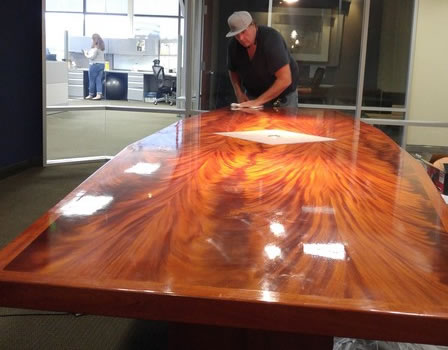 If your dining table, dresser, or credenza shows lines, dings, or cloudy patches, you are seeing surface wear that needs skilled attention. For homeowners in Long Beach, the best path to lasting results is professional wood furniture scratch repair that protects structure, color, and sheen. If you want experienced hands on a valuable or sentimental piece, schedule expert furniture scratch repair through our dedicated page at furniture repairs.
In this guide, you will learn what common marks actually mean, why coastal conditions in Long Beach speed up wear, and how a trained technician restores surfaces without trial and error. You will also see clear signs that it is time to bring in a pro rather than risk a quick fix that could stain, swell, or lower the value of your furniture.
What Scratches, Dents, and Scuffs Really Mean for Wood
Not all damage is the same. A light scratch might only disturb the topcoat, while a deeper cut can expose raw wood or veneer and invite moisture. Dents compress fibers and can telegraph through the finish. Scuffs often haze the sheen or flatten the grain’s depth, especially on dark walnut and cherry.
Under the finish there may be veneer, solid wood, or a mix of both. Veneer is thin and beautiful but needs delicate work to keep edges tight and patterns aligned. Solid boards move with humidity, so repairs must respect expansion and contraction. Do not sand or stain over an unknown finish. Mismatched chemistry can haze, peel, or drive pigment into places it should not go.
Why Long Beach Homes See More Surface Wear
Coastal living is easy on the soul but tough on wood. The marine layer and salty air around Belmont Shore, Naples Island, Alamitos Beach, and Bluff Heights can loosen old joints and dull finishes faster than inland neighborhoods. Bright windows in Bixby Knolls and California Heights can bleach tabletops near sliders and picture windows.
Seasonal Santa Ana winds bring dry spells that shrink wood fibers. That is when tiny veneer lifts and hairline cracks often appear. Once a surface breaks, casual cleaning can push grime into the opening and make color matching harder for anyone who comes in later to fix it.
When to Call a Furniture Repair Professional
Some symptoms point straight to a pro evaluation. If you notice any of the following, it is time to act:
- White rings, cloudy lacquer, or sun-faded streaks that return after cleaning
- Veneer edges that catch a sleeve or chip when you dust
- Deep scratches you can feel with a fingernail, especially across grain
- Wobbles, creaks, or movement in chairs, table bases, or drawer cases
- Dark stains from spills that look like they soaked into the wood
Stop using a wobbly chair until a pro secures it. Movement turns minor surface issues into broken joints, and then a simple touch-up becomes a structural repair.
How Pros Restore Surfaces Without Guesswork
A skilled technician starts by assessing the finish type, the wood species, and any structural movement. They test small, hidden areas to avoid surprises, then plan a sequence so the repair blends in and lasts. Color and sheen are dialed in to match sun-exposed and shaded areas so your eye reads one even surface.
When scratches or scuffs are paired with tired topcoats, refinishing targeted areas or the whole piece may be the right move. Learn how a careful surface update completes the picture by skimming our service page for wood refinishing. The key is order. Skipping structural repairs before cosmetic work leads to failure, so pros tighten, re-glue, or stabilize first, then address color and clarity.
Dent and Scuff Solutions for Different Woods
Each material behaves differently. Oak hides minor marks in its open grain but reveals dents at the edges of boards. Walnut and mahogany showcase depth and chatoyance, so sheen control matters as much as color. Maple is smooth and less forgiving. On veneered tops, even a small corner lift needs precise stabilizing so a future touch-up or refinish sits flat.
Mid-century modern pieces common in East Village Arts District and Zaferia often use thin veneers with crisp edges. Restoring these requires shaped fills and tight grain alignment to keep the line work clean. For antiques found at Long Beach estate sales, a preservation-first approach protects original patina while correcting distracting damage.
What a Professional Evaluation Covers
A thorough assessment looks beyond the obvious mark. Expect your technician to review:
- Joinery and case integrity on chairs, tables, and dressers
- Veneer adhesion and edge stability
- Finish type, thickness, and compatibility for color-matching
- Exposure patterns from windows, skylights, and sliders
- How you use the piece day to day so the result fits real life
This plan protects original material and maps a path to the look you want. If the finish is sound, focused touch-up and blend work may be enough. If the finish is failing, controlled refinishing produces an even, durable surface that makes repaired areas disappear.
Protecting Value for Heirlooms, Rentals, and Life’s Surprises
Sentimental and market value both matter. Amateur fixes can leave shiny halos, over-dark patches, or texture changes that draw the eye right to the flaw. For heirlooms and designer pieces, patchwork attempts can reduce value because future pros must reverse the mistakes before real restoration can begin.
For landlords or short-term rentals near Downtown and Alamitos Beach, clean, durable finishes help pieces stand up to frequent use. That often means a pro blend or refinish with a sheen that masks small scuffs without looking dull. The right choice depends on the material, lighting, and traffic in your space.
Repair vs. Refinishing: Making the Right Call
Unsure whether your piece needs structural repair, a careful touch-up, or a broader refinish? You can get a quick, plain-English primer in our short read on furniture repair vs. refinishing. It explains how pros sequence the work so any surface upgrade sits on a stable foundation and lasts longer.
Why Local Expertise Matters in Long Beach
Restoring furniture in a coastal city takes experience with sun, salt, and seasonal dryness. The right adhesives, colorants, and finish systems are chosen to match your piece and your home’s light. That is why so many homeowners across Belmont Shore, Naples, Bixby Knolls, and California Heights turn to a dedicated shop rather than a generic handyman.
If you are still researching, you can also start at the home base for wood furniture scratch repair in Long Beach, CA to see how our approach blends structure, touch-up, and finishing for results that look right and last.
Ready to Restore Your Furniture the Right Way?
Whether it is a sun-faded dining table, a scuffed dresser, or a chair with a few too many “love marks,” you do not have to live with damage or risk a fix that makes things worse. Let a specialist evaluate the piece, map a clear plan, and deliver an even, durable result that fits your room and your routine. When you are ready, schedule professional help for furniture scratch repair and get your piece back in service with confidence.
Call Dan The Furniture Repair Man at 310-591-6617 to book your on-site assessment in Long Beach. Our team will stabilize what matters, blend what shows, and return your furniture with the color, sheen, and strength you expect.