


Furniture Repair vs. Refinishing in Long Beach, CA: Which Does Your Piece Really Need?
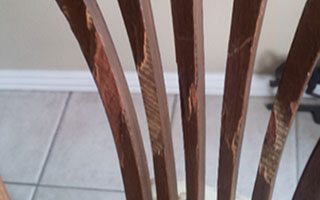 Many of us have certain furniture pieces that we are particularly fond of. Over the years we have it in our homes, many homeowners form a special kind of bond with their furniture, whether it be the first couch you were ever able to buy brand new or an heirloom piece that was handed down to you from your parents or grandparents. Wherever you got your furniture from, when it begins to look old and worn, many homeowners are confronted with a tough decision: It might be time to look for something new, but how can I possibly just get rid of this? For homeowners that think there are only two options, furniture repair and restoration could be just the alternative you are looking for. We've included a short list of several of the main benefits to having your existing furniture restored as opposed to purchasing all new furniture.
You love your furniture, but time, moves, and coastal air can take a toll. If you’re wondering about furniture repair vs. refinishing, here’s a clear way to tell which service fits your situation in Long Beach. When you need hands-on help from a local expert, talk with our team about precise furniture repair that protects structure and beauty without guesswork.
This guide explains how pros make the call, what Long Beach’s climate means for wood, and how to align the service with your goals. It’s written by Dan the Furniture Repair Man, your trusted furniture repair company serving neighborhoods from Bixby Knolls to Belmont Shore.
What Each Service Does: Furniture Repair vs. Refinishing
Repair focuses on the structure. A pro stabilizes loose joints, fixes cracked rails, mends broken carvings, and addresses veneer lifts so the piece is sturdy and safe again. Think of repair as restoring the “bones” of the furniture.
Refinishing focuses on the surface. A pro removes a failing finish, corrects color or sheen, and applies a durable new finish so the exterior looks fresh and even. It’s about the skin, not the skeleton.
In many cases, both services pair well. A chair with wobbly joints gets repaired first. Then, if the old finish is blotchy or sun-faded, refinishing completes the transformation.
How to Tell When Furniture Repair is the Smarter First Step
If a piece is unstable, noisy, or flexes under light use, repair comes before any cosmetic work. Refinishing won’t fix a weak frame. Here are common signs that point to repair:
- Wobble or sway when you sit, lean, or open drawers
- Loose or separated joints, especially on chairs and table bases
- Cracks in rails or rungs, broken tenons, or missing corner blocks
- Veneer lifting, chipped edges, or missing decorative trim
- Drawers that rack, bind, or won’t stay closed because the slides or runners are worn
Cosmetic touch-ups never replace structural fixes; stability has to come first to keep your piece safe and usable.
When Refinishing Delivers the Bigger Visual Upgrade
Refinishing shines when the structure is sound, but the finish is tired. If you love the silhouette yet the surface tells a rough story, refinishing may be your best value. Typical signs include:
- Heavy sun fade, water rings, or cloudy lacquer that dulls the grain
- Finish flaking or alligatoring that won’t respond to minor polishing
- Color mismatch after an addition or repair that needs a uniform tone
- Stains from spills that penetrated the topcoat
If your piece is an heirloom and you’re weighing a careful, historically sensitive approach, this article on antique furniture refinishing offers helpful context about preserving character while renewing the look.
Long Beach Considerations that Affect the Choice
Coastal living is kind to the spirit but tough on wood. The marine layer and salty air around Belmont Shore, Naples Island, and Alamitos Beach can loosen joints over time. Seasonal humidity shifts make chairs creak, drawers swell, and veneered tops lift at the edges.
Sun exposure is another factor. Big windows in Bluff Park and Alamitos Heights invite ocean light that can bleach finishes and dry out old topcoats. If your table sits near a sunny slider, refinishing often restores color, and then a pro can guide you on a better sheen for glare control.
Finally, local lifestyles matter. Many Long Beach homes blend vintage finds with mid-century pieces. Repairs to MCM chairs or low-profile dressers keep the lines crisp and safe, and refinishing can dial in the exact tone to match modern floors or built-ins.
A Simple Way Pros Decide: Problem, Material, Goal
Instead of guessing, pros run a quick framework so the service matches what your piece needs right now.
Start with stability. If the piece moves, squeaks, or can’t bear normal use, repair it first. That may involve re-gluing joints, replacing hidden blocks, or stabilizing a split rail. Once it sounds, you can evaluate the finish.
Then consider the material. Solid wood responds differently from veneer. Veneer needs gentle handling to preserve edges and patterns, and repairs can secure it so a later refinish lays down clean and flat.
Finally, clarify your goal. Are you trying to preserve patina for your Craftsman dining set, or do you want a like-new look for a beach condo rental? Repair sustains long-term function. Refinishing levels color and sheen for a uniform, refreshed appearance.
Real-World Scenarios From Homes Around Long Beach
Bixby Knolls dining chairs: The joints creak, and the backrests wiggle. Here, repairs come first to tighten joinery. If the set shows sun fade on the crest rails, refinishing can follow, so the whole suite looks cohesive.
Belmont Shore coffee table: The top has white rings and a cloudy sheen, but the base is rock solid. Refinishing the top brings back clarity and depth while leaving the sturdy base alone.
Naples Island credenza: One drawer binds, and a corner veneer chip catches sleeves. A repair replaces the runner and patches the veneer so the edges are secure. If the case sides are evenly worn, a light refinish can restore tone without losing the period feel.
What to Expect During A Professional Assessment
Pros don’t rely on glances. Expect a careful exam of joinery, substrate, and finish condition, plus questions about how and where you use the piece. They’ll look at chair rungs, drawer slides, and case bottoms to spot hidden stress, then test the finish to see whether it’s failing or just dirty.
You’ll leave with a clear plan: repair only, refinish only, or a repair-first path followed by finishing. That step-by-step approach protects the structure while planning for the look you want. When work begins, a reputable team sequences tasks so a fresh finish never covers unresolved movement.
Repair First, Then Decide on Refinishing
Think of repair as preparing a safe foundation for any cosmetic upgrade. Tight joints and secure veneers mean a new finish will last longer and look better. If you skip repair, even a beautiful finish can crack where the wood is still moving.
When you’re ready to stabilize a chair, dresser, or table, our experienced technicians at Dan the Furniture Repair Man make it easy. We start with structure, then guide you on finishing choices that fit your room, lighting, and how the piece gets used. If the next step is surface renewal, we’ll recommend the right sheen and tone, or we’ll leave the original finish in place if it still tells the right story.
Preserving Character vs. Changing the Look
Some homeowners worry that refinishing removes history. That’s where intent matters. If a finish is intact and the patina fits your style, solid repairs may be all you need. If the finish is failing or the color clashes with your floors, refinishing can bring harmony back to the space.
We often see success with a hybrid plan. Repair structural issues now so the piece is safe for daily life, then schedule refinishing later if the look still bothers you. That spreads decisions out and keeps options open.
Materials and Finishes: Why They Influence the Call
Different woods, veneers, and finish types age in different ways. Oak and walnut can hide small scuffs in their grain, while smooth maple can reveal every mark. Old shellac warms beautifully but blushes with moisture. Modern catalyzed finishes resist wear but can haze after years in bright sun.
If your piece uses thin veneer or complex inlays, let a pro evaluate before any aesthetic work so original details aren’t lost during surface renewal. That’s especially important for heirlooms and mid-century pieces where edge profiles are part of the design.
Why Working With A Pro Protects Value
Professionals don’t just make pieces look good. They understand how wood moves in a coastal climate, which glues pair with old joinery, and how sheen choices play with big SoCal windows. The result is a safer, longer-lasting outcome and a finish that suits your room’s light and traffic.
Curious how a refresh might look in your own home? This overview of cabinet refinishing shows how a tailored surface update can transform a space without replacing the furniture you love.
Your Next Step in Long Beach
Not sure where to start? A quick in-home look tells you whether repair or refinishing will give you the best result right now. If the piece is already moving or wobbling, get the structure addressed first with professional furniture repair so any future finish work lasts.
Ready to stabilize and refresh the furniture you love? Call Dan the Furniture Repair Man at 714-862-5939 and book a pro evaluation that puts safety and longevity first. If repair is the right move today, we’ll map out a clear plan and, when the time is right, guide you on finishing options that fit your home and lifestyle.