


Veneer Repair 101: Bubbling, Peeling, and Edge Damage Explained
 Veneer adds warmth and character to dressers, tables, and cabinets, but it can show stress fast in coastal homes. If you’re seeing ripples, lifted corners, or chipped edges, a quick professional check keeps things from getting worse. For a hands-on assessment and careful fix, schedule trusted furniture repair with Dan The Furniture Repair Man and get your piece back to safe, everyday use.
What Veneer Is And Why It Fails In Long Beach
Veneer is a thin slice of real wood bonded to a stable core. It gives you the beauty of premium species without the weight and cost of solid lumber. In Long Beach neighborhoods like Belmont Shore, Naples Island, and Bluff Park, daily humidity swings, salty air, and strong sun can stress that bond. Over time, seasonal changes make old glues brittle and finishes dry out, which invites bubbles, peels, and edge chips.
- Bubbling: the top lifts from the core and forms a soft rise or blister
- Peeling or lifting: corners or seams separate and curl
- Edge banding damage: thin edge strips chip, crack, or fall away
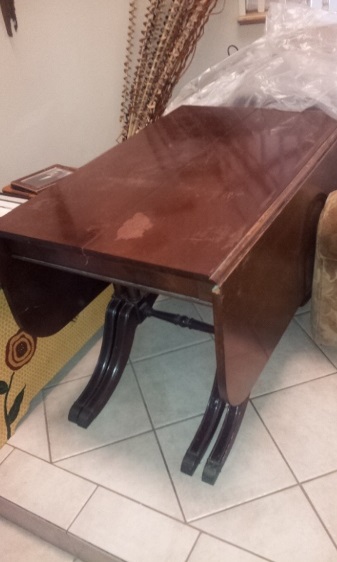
- Tabletop issues: wide, flat areas show ripples, white water marks, and sun fade
Do not sand through a bubble or peel to “flatten” it. Veneer is thin. Once you break through, the pattern is gone, and the repair becomes bigger than it needed to be.
Bubbling Veneer: Causes And Pro Solutions
Bubbles often start with moisture sneaking under the finish or old adhesive losing grip. Large south-facing windows in Alamitos Beach or East Village can heat the surface, then cooler nights cause movement, which loosens the bond. A skilled technician evaluates the substrate, checks for hidden water stains, and plans a controlled repair that preserves surrounding material and grain.
During service, the pro creates a stable bond again and blends color and sheen so the fix disappears in room light. When a bubble covers a big area or the core swelled from water, the safer path may pair structural repair with finishing work afterward. That order keeps problems from telegraphing back through the surface.
Never try to “iron down” a bubble. Heat can trap moisture, distort grain, and scorch old finishes, turning a simple fix into a replacement panel.
Peeling And Lifting: When Edges And Corners Let Go
Peels start where hands and sleeves rub most or where sunlight dries finish at the edges. In homes near the marina, salt in the air can speed up wear. A professional checks how far the lift runs, whether the veneer is intact, and what adhesive was likely used. Clean, intact lifts may be secured and blended. Torn, contaminated, or missing areas call for precision patches cut along the grain so lines look natural.
Surface appearance matters, but structure comes first. If the corner lift came from a loose joint or a warped top, your technician stabilizes that movement before any cosmetic work. That’s how you get a repair that lasts through real life, not just the first week.
Edge Banding Damage: Clean Repairs For Modern Pieces
Mid-century and modern cabinets often use edge banding to keep lines crisp. When that thin strip chips on a dresser in Bixby Knolls or a credenza off 4th Street, it catches clothing and keeps fraying. Pros match species and thickness, align grain and color, and set a durable edge that won’t snag. If the edge strip failed because the top is moving, expect a technician to address the cause before finishing the look.
Avoid strong household cleaners on loose edges. They can seep under the banding, stain the core, and make a small fix much harder to hide.
Tabletop Veneer Fixes: Keeping Big Surfaces Flat And Strong
Dining and coffee tables see spills, sun, and daily traffic. In Long Beach, a vase leak or coastal humidity can swell the core under veneer. A proper repair starts with drying the material, confirming stability, then addressing the veneer so the top sits flat and comfortable to the touch. Color and sheen are blended so reflections look even from every seat.
When a tabletop shows both movement and heavy finish failure, a repair-first plan followed by finishing is usually best. That sequencing keeps a fresh topcoat from cracking where wood is still shifting. If you’re weighing the two, this explainer on repair vs. refinishing walks through how pros choose the right path.
How Pros Evaluate Veneer Repair Versus Refinishing
Good results come from asking the right questions in the right order. A trusted technician will:
- Check stability: joints, runners, and the core. If it moves, repair comes first.
- Identify materials: veneer species, edge banding, and likely adhesives.
- Map damage: bubbles, peels, chips, and previous patches that may show through.
- Plan finish needs: tone, grain clarity, and sheen that suit your room’s light.
If the surface is mostly sound, a targeted repair may be all you need. If the finish is yellowed, cloudy, or sun-faded across the top, refinishing resets the look after the structure is secure. For pieces with wide wear or dated color, see how wood refinishing restores depth and protection without replacing the furniture you love.
Care That Keeps Veneer Looking Great On The Coast
The right habits keep future repairs smaller. Keep tables away from long, direct sun. Use breathable runners instead of plastic covers that trap moisture. Wipe spills quickly so water doesn’t creep into seams. Dust with a soft cloth and avoid harsh, oily polishes that can contaminate future finish work. When moving, lift rather than drag so edges don’t catch.
Skip water-based cleaners on loose veneer or edges. Even a small amount can wick under the surface and swell the core. If you spot fresh peeling after a spill, call a pro before it spreads.
Want a quick primer that uses plain language and local examples? Our guide to veneer repair in Long Beach, CA gives homeowners a simple way to understand what’s happening and what pros do to correct it, without guesswork.
Real-World Scenarios Around Long Beach
Belmont Shore dining table: sunlight left the top pale but the base stayed rich. A pro tightened a loose stretcher, secured a small bubble near the seam, and recommended finishing the top so color and sheen match for family dinners.
Naples Island credenza: edge banding on two drawers chipped during a move. The technician patched the edges with matching veneer, blended color, then checked and tuned the slides so drawers run straight and quiet.
Bluff Park coffee table: a plant tray trapped moisture and raised the veneer. After stabilizing the core, the pro corrected the veneer and blended the finish so reflections look smooth under afternoon light.
When To Call Dan The Furniture Repair Man
If you notice a bubble that “breathes” when pressed, a corner that keeps catching sleeves, or edge banding that flakes, it’s time for a professional look. Quick action usually means a smaller, cleaner repair and a better chance to preserve original material.
Our team specializes in careful, conservative fixes that respect the age and style of your furniture. We service homes across Long Beach with shop-level results and a clear plan so you know what comes next. For a calm, step-by-step experience, start with expert furniture repair and protect your investment the right way.
Ready For Help? Local Veneer Repair In Long Beach, CA
If moisture damage or wide lifting is present, don’t wait. Secure the structure and stop spread before addressing the surface. Talk with Dan The Furniture Repair Man about a tailored plan for your table, dresser, or cabinet. Call us at 310-591-6617, or book a visit through our service page for fast, professional care that lasts. When you are ready to move forward, connect with our team here: professional furniture repair in Long Beach, CA.