


Common Furniture Damage Caused by Pets - And How to Fix It With Furniture Repair in Santa Ana, CA
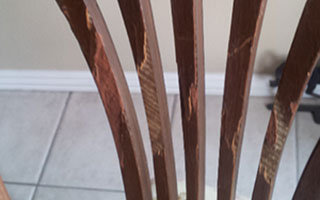 Dogs and cats bring a lot of love, but they can be rough on your furniture. If you live in Santa Ana, CA and you are seeing claw marks, chew marks, stains, or loosened joints, you are not alone. This guide explains the most common pet damage, why it happens, and how professional furniture repair in Santa Ana keeps your pieces safe, sturdy, and beautiful for years to come.
When pet wear shows up, a quick glance can fool you. Scratches may look minor while the structure underneath is failing. That is why many homeowners in Floral Park, West Grove, or South Coast Metro choose a pro assessment first. If you want a hands-on evaluation, schedule expert furniture repair so your piece gets the right treatment from the start.
The Most Common Pet-Related Furniture Damage
Pets damage furniture in predictable ways. Knowing the pattern helps you act before problems grow.
- Scratched wood legs and rails from excited greetings or zoomies on slick floors
- Chewed chair rungs, table edges, and crib rails from puppies and teething stages
- Urine stains that blacken hardwood from a chemical reaction with tannins in oak and walnut
- Clawed leather and fabric pulls that open seams or expose foam
- Loose joints from repeated rocking, jumping, or pushing against a piece
Left alone, these issues spread. A small bite mark can splinter. A surface scratch on the veneer can lift at the edges. **Pet stains can permanently darken wood if ignored**, so timing matters.
Why Pets Create Unique Risks In Santa Ana Homes
Local conditions add to the wear. Santa Ana’s sun can fade finishes through patio doors, and dry spells or Santa Ana winds pull moisture from wood. When your dog naps against a chair or your cat uses a table leg as a scratching post, the heat, dust, and daily movement combine to scuff finishes faster and loosen old glue lines.
Many older homes around Wilshire Square and Park Santiago feature solid oak, walnut, or veneered case goods. These materials hold up well, but once pets open a crack or chip, seasonal dryness can widen the gap. That is why a professional plan focuses on structure first and appearance second.
How Pros Fix Pet-Scratched Wood And Chewed Edges
With pet-scratched furniture repair, the priority is to stabilize the piece. A professional examines the wood species, checks for loose joinery, and protects original material. Chewed corners and rungs often need shaped repairs that blend in with the grain, color, and sheen. The goal is strength you can sit on and a look that matches the rest of the piece.
When the structure is sound, technicians handle the appearance. For worn tops or sun-faded arms, targeted wood refinishing rebuilds clarity and color so repaired areas disappear into the whole. On antiques, the finish approach respects age and character, so the repair looks right for the period.
Not sure whether to address structure or color first? This quick read on furniture repair vs. refinishing helps you understand the sequence that delivers the best result.
Upholstery And Leather After Pet Claws Or Accidents
Cats love textured fabric. Dogs can catch a nail on a seam. Once a pull starts, it tends to spread with everyday use. Professional upholstery repairs tighten foundations, secure webbing, and blend new material so the seat sits right again. Leather needs careful color matching and sheen control so a corrected panel looks like it always belonged.
Urine and pet odor require special handling. Odor can hide in padding even when the top looks clean. A pro will evaluate the interior layers and recommend the right path to make the piece fresh, safe, and comfortable for daily use.
Warning Signs You Should Call A Pro Now
- Wobbles, creaks, or a chair that shifts when someone sits
- Veneer edges catching sleeves or chips that snag cleaning cloths
- Dark rings or black patches near a pet's accident
- Leather tears that have sharp edges or spreading cracks
- Loose drawer runners or doors that rub after a pet chewed the face or stile
These symptoms point to deeper issues. **Always avoid quick fixes on structural damage**. Stop using the piece and bring in a specialist who can secure joints, rebuild damaged areas, and then match the finish so it all looks correct.
How Pros Protect Value While Repairing Pet Damage
Great repairs do more than hide marks. They protect the original design and strengthen weak points so your furniture handles daily life with pets. That takes material-matched adhesives, grain-matched patches, and finish systems that stand up to claws, toys, and the occasional sprint across the room.
The right approach varies by piece. A mid-century walnut chair in a South Coast Metro condo may need tight, invisible joinery work. A carved oak table in Floral Park could call for shaped repairs and a careful color blend. **Keeping pets off a newly treated surface until fully cured is essential** so the finish levels and hardens correctly.
Planning Ahead: Pet-Friendly Choices That Still Look Great
Your technician can recommend durable sheen levels and color blends that mask minor scuffs without looking dull. They may steer you toward heavier-wear fabrics for seats your cat loves or suggest protective options that fit your room’s light and traffic. The goal is simple. Keep the piece you love and make it ready for daily life with your pet.
If you are just starting research, it helps to understand how the repair step sets up a successful refinish later. You can learn more as you browse dependable furniture repair in Santa Ana, CA on our home page and see how Dan the Furniture Repair Man approaches structure and beauty together.
Pet Damage Scenarios We See Around Santa Ana
Every home is different, but certain patterns repeat:
Dining chairs with raked-back scratches: Pets brush past as they race to the slider. The back legs get scuffed, and the joints begin to loosen. A pro will address movement first, then unify color and sheen so the set looks consistent around the table.
Chewed crib rail or table edge: Puppies love rounded edges. What looks like a small bite can weaken the profile. Skilled furniture damage repair restores the curve and the strength, so the edge is safe again, and visual lines stay crisp.
Leather ottomans are another frequent target. A pro can replace panels or blend repairs so the top reads as one surface. When a pet accident soaks into the padding, technicians evaluate layers and advise whether interior components should be replaced to get rid of the odor for good.
What Happens During A Professional Assessment
Expect a calm, step-by-step visit. The technician checks joints, grain direction, and finish condition. They look for chew points, lift loose veneer, and examine stains to see how deep they go. Then they recommend a plan that fits the piece and your goals. If the structure is loose, they stabilize it. If the surface is tired but solid, they may suggest refinishing next so the repair disappears into a balanced, durable finish.
Many homeowners appreciate that a pro protects sentimental value. An heirloom buffet from a relative in nearby Orange does not need to look brand new. It needs to be safe, usable, and handsome in your home without losing character. That is the difference a tailored plan makes.
Ready For Pet Damage Repair That Lasts?
If you see claws, chew marks, or stains, a quick professional look can save original material and prevent bigger problems. For a sturdy, beautiful outcome backed by experience, schedule furniture repair with Dan the Furniture Repair Man. Call us at 310-591-6617 and tell us what happened, the room it lives in, and how you use the piece. We will map a clear plan and get your furniture ready for daily life with your pet.