


Is Your Furniture Worth Repairing? Seven Signs to Call a Professional
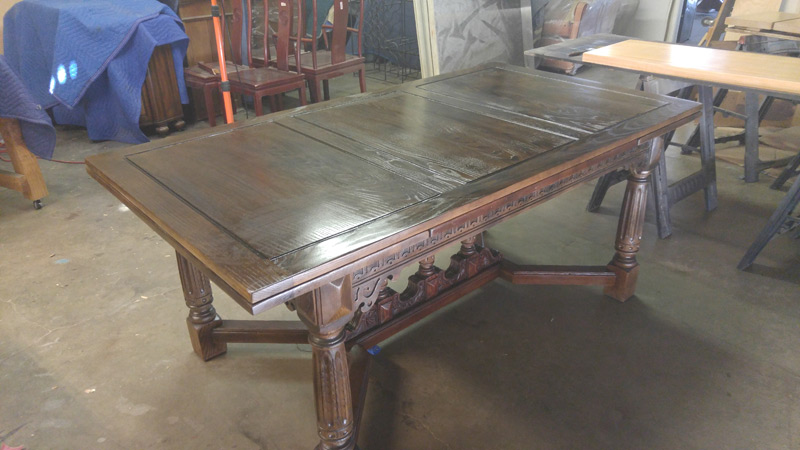 If you are looking at a wobbly chair, a sun-faded table, or a sofa that squeaks and wondering is it worth fixing, you are not alone. Homeowners across Santa Monica, from Ocean Park to Sunset Park, ask this every week. Here is a clear, local guide to help you decide when repair beats replacement and how a trusted pro can protect what you love. If you want an expert opinion on the spot, explore our furniture repairs and see how Dan the Furniture Repair Man restores beauty and stability without replacing the piece you already cherish.
Before you toss a family heirloom or a good-quality modern piece, remember that repair and restoration protect both function and story. In coastal climates like ours, sunlight, moisture, and salty air can age finishes faster than you expect. Knowing the right moment to repair helps you avoid bigger problems later.
How To Decide: Repair Versus Replacement
Think about three things: construction quality, sentimental or market value, and future use. Low-quality imports made with thin veneers and weak joints often struggle to survive a heavy repair. Solid hardwood frames, quality joinery, and well-made cushions almost always respond well to professional work. Market value matters too. A mid‑century lounge chair, a Craftsman dining table, or an antique dresser often gains longevity and can retain more value after proper restoration. Finally, consider the room. If the piece fits your space and style, repair keeps you from starting over.
Repair is more than making a surface look nicer. It can stop joint failure, stabilize veneer, and refresh finishes so they resist daily wear. When a finish looks tired but the structure is sound, targeted wood refinishing is usually the smartest path.
Coastal note for Santa Monica: marine layer moisture and salt air can cause white haze, peeling, or veneer bubbles on wood finishes near open windows. Catching those early and scheduling professional assessment prevents larger panel or substrate damage later.
Seven Signs Your Furniture Is Worth Repairing
- The piece is solid wood or a sturdy hardwood frame and the structure is mostly sound.
- Joints feel loose but not shattered, which usually means a pro can re-glue and clamp them back to strength.
- Surface wear like scratches, rings, or sun-fade is visible, yet the wood beneath still has life.
- Hardware, casters, or a single component failed while the rest is intact.
- The item has sentimental value or known provenance and you want to preserve its story.
- It was comfortable, fit your space, and matched your style before the damage occurred.
- Replacement would force a style compromise or create waste you would rather avoid.
Original finish often holds value. If your piece may be collectible, a skilled restorer will evaluate whether to conserve the finish rather than strip it. That choice can help keep character, patina, and history intact.
What Santa Monica Homes Should Watch For
Our bright coastal sun can bleach tabletops along window lines from Wilmont to North of Montana. Patio doors left open invite moisture that blisters lacquer. Beach sand and daily foot traffic scratch chair rails and cabinet panels. Apartment moves around Downtown can loosen joints as pieces go in and out of elevators and tight corners. If you see veneer edges lifting, white rings, or legs that twist under weight, call a professional before the damage spreads to adjoining parts.
Do not try to clamp or glue a loose joint yourself. Household glues and makeshift clamps can misalign parts and make professional repairs harder. A proper restoration spaces, cleans, and bonds the joint so it sits square and cures under even pressure.
When Repair Protects Value
Inherited a dresser from a relative in Pico? A careful restoration can stabilize drawers, recondition slides, and bring the finish back to life. For antiques or older family pieces, specialist antique repairs focus on preserving as much original material as possible. That means mending, color-matching, and finish work that respects the era and avoids shortcuts that could reduce value or charm.
Modern design benefits too. Quality mid-century chairs often use strong joinery and resilient hardwoods. When foam ages or webbing tires out, a trained technician can rebuild support and touch up finish so the silhouette and comfort feel right again.
Materials And Styles That Respond Well To Repair
- Solid hardwood frames and tabletops with minor movement or wear
- Quality veneers with localized bubbles, chips, or edge lift
- Mid-century and Craftsman pieces with serviceable finishes
- Upholstered seating where the frame is strong but support needs attention
Refinishing can remove water rings, lighten or darken tone, and blend sun-fade so the piece works with Santa Monica’s light, breezy interiors. Strategic color-matching also helps a repaired leaf or panel look like it always belonged.
Clear Cases To Consider Replacement
Not every item deserves a full rescue. If the piece was low quality when new, is breaking in many places, or has severe water or pest damage, replacement can be the better path. Large-scale modifications that would erase the design might also be a sign to move on. A pro will tell you honestly when repair is not in your best interest.
When you are still on the fence, a quick evaluation can bring clarity. Many homeowners find that a consultation reveals simple ways to stabilize and refresh a favorite piece without overcommitting to invasive work.
How A Pro Evaluates Your Piece
Assessment starts with the frame and joints, moves to veneer and surfaces, and ends with color, sheen, and hardware. In Santa Monica, we also check exposure risks around windows and sliders. If the structure is sound, targeted repairs usually deliver the best value: re-secured joints, corrected alignment, stabilized veneer, and a finish that protects against daily use. When finish work is needed, a pro will recommend the right approach, from touch-up to full wood refinishing, based on how you use the piece and where it lives in your home.
Want to read more while you compare options? Visit the home page and explore projects, services, and articles that answer the question is furniture worth repairing in your situation. You will see how Dan the Furniture Repair Man approaches both heirlooms and beloved everyday pieces with the same careful process.
Neighborhood Examples That Hit Close To Home
Picture a dining table in a North of Montana home that caught afternoon sun for years. The top turned uneven in color, and the leaf looked several shades darker. Refinishing blends those panels and protects against future UV. Think of an Ocean Park accent chair passed down from a grandparent. The joints creak and the arm has a small chip. A professional repair re-bonds the joints and color-matches the arm so the patina remains consistent. Or a condo sofa off Colorado Avenue that squeaks due to a loose corner block. Tightening and reinforcement restore quiet strength without changing the look.
Protect pieces from direct sun and salty air whenever possible. Simple placement choices inside your home reduce fading and finish stress, helping your repairs last longer.
Still Debating: Repair Now Or Wait?
Waiting can turn small issues into bigger ones. Loose joints dig into mortises and stretch holes. Veneer bubbles widen, letting humidity creep in. Scratches gather grime and become harder to blend. A fast, professional fix keeps costs predictable and the results cleaner. If you are comparing paths, look at how often you use the item, who uses it, and whether it anchors the room’s design. If the answers point to daily use and long-term value, repairing now avoids a replace-and-remodel spiral later.